
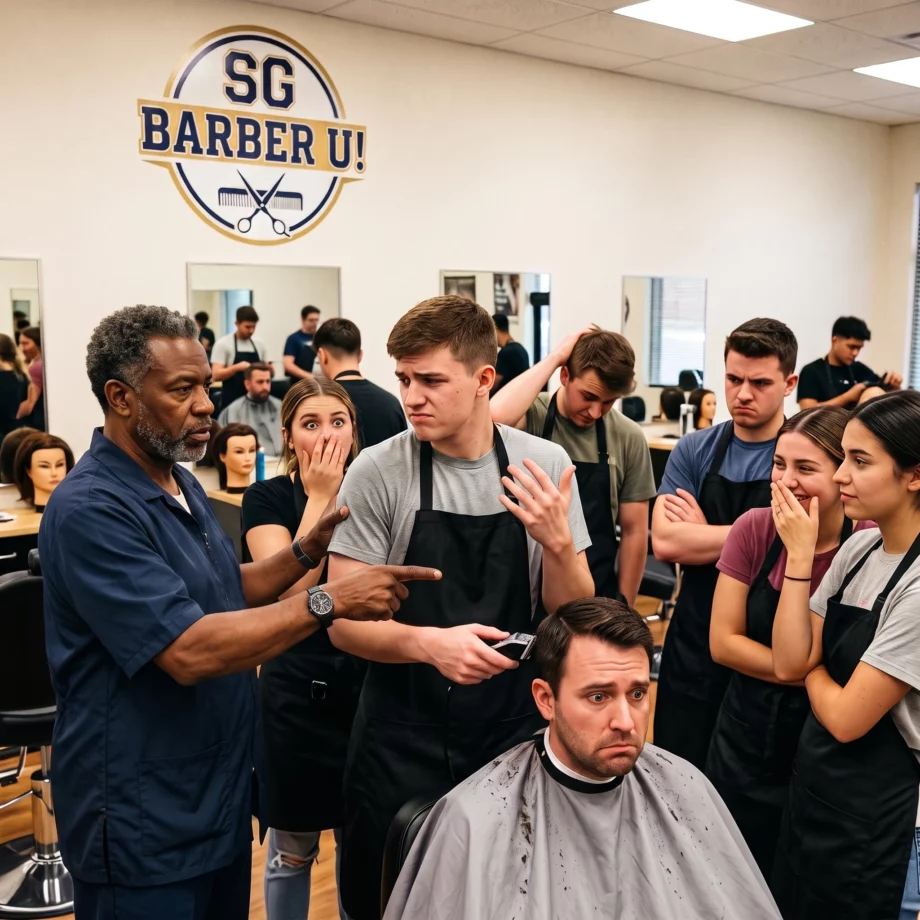
Every human being that has a sense of creativity will find themselves stuck every once in a while. The good news is, most of these roadblocks are completely fixable. Here are some problems that those who are hard to coach usually faceI’ve faced (and the ways to get around them):

- Pride and Defensiveness: It’s totally normal to feel a sting when someone points out how you could improve. Just remind yourself why feedback is helpful and try to focus on the skill, not my feelings. Do you want to improve, or do you just want to feel good?
- Fear of Looking Incompetent: Worrying about making mistakes stops a lot of people from learning. Theres a lesson in every mistake made. YOU must be willing to find where the lesson is. Accepting every slip up you make is showing proof that you care. In the state of learning something new incompetence can only happen when you don’t care to learn from your mistakes.
- Lack of Trust: If you don’t trust the person offering advice, it’s tough to be open. I seek out mentors or coaches whose opinions I really value; trust makes feedback way easier to accept. This is understandable. A good coach builds trust to create a positive learning environment.
- Habits and Routine: Sometimes we stick to old bad habits because they feel safe. Be open to mix things up on purpose, trying a new approach every so often promotes learning.
Pride and Defensiveness
Taking feedback as a personal attack does not help you in becoming better at anything you do. If you care at all about what you’re doing you need to focus on improving. The person coaching you has the experience to help you get better.
I’ve found that taking a breath and thanking the person, even if you don’t love what they’re saying, gives one time to reflect.
Pl Usually, the uncomfortable advice ends up being the best advice in the long-term. I’ve had numerous mentees come up to me later and say “Thank you, I was upset before but I know now what you were doing.” Or, “I wish I didn’t take it so personal when you were teaching me. Everything you were telling me I now understand what you meant.” Before this happens just jot down the advice and come back to it a couple days later. This makes it less likely that emotions will cloud your judgment, and more likely that action will take place based on good advice.
Fear of Looking Incompetent
In this social media era Everyone wants to look good in front of peers, mentors, and their following but the truth is, nobody expects perfection.
After years in the education industry I notice that people who ask questions and accept advice actually gain more respect.
Showing you’re willing to learn is worth more than appearing as a know it all. Over time, asking for advice and feedback can even become something you look forward to because it means you’re growing. People will start to notice your willingness to get into new territory and that’s how your skills along with trust and confidence will build.
Lack of Trust
Not all advice is created equal. Make sure the person giving you advice has some sort of experience in the subject being taught. They should be able to also relate to your experience.
I’ve worked with multiple teachers who refused to either learn the material being taught or refuse to learn methods of instruction to teach the subject.
Someone who has never stepped foot in a barbershop or a barber school wouldn’t be able to understand what you’re going through.
To get feedback from someone who’s been in my shoes or who understands what I’m trying to achieve, I’m a lot more likely to accept it. If I don’t know them well, I might look for evidence of their expertise before I act on their suggestions.
Building trust with your mentors and guides can take time, but it’s worth it. A strong relationship makes every bit of feedback feel more helpful and less threatening.
Habits and Routine
It’s super easy to do things the way you’ve always done them. When training to become a professional there may be some bad habits you need to break to satisfy laws and regulations. As tweaks are made to build new habits build a routine t practice them so they can be new habits. make it a weekly practice to make the new habits your only habits.
last words
It takes a level of maturity to be able to notice when roadblocks are making it hard for you to be coached. Improvement can only take place when you out the work in to make the changes for the better. Your coach is there to test your ability to make those changes. Take time to evaluate your approach to learning and if you believe you may face any of these roadblocks take action to address them. Make the changes and do your best to become coachable. Be sure to follow as we dive deeper on being coachable
As a senior staff member in a healthcare facility, I’ve trained quite a few new staff over the years, and one of the biggest challenges I see is exactly what you described: pride and defensiveness. Many of them struggle to accept mistakes, and because of that, they resist advice that could actually help them grow. It’s often not about ability but about mindset, and pride can be such a roadblock to becoming truly coachable.
I appreciate how you framed feedback as something to be revisited later, once emotions settle. That’s a strategy I’ve seen work well. In your experience, what’s the most effective way to help someone shift from seeing feedback as criticism to seeing it as an opportunity for growth?
Thank you for the engagement I appreciate your comment. Great question asked! And the most effective way to help is to lead with a positive. I like to use the sandwich method. Positive negative positive. People tend to respond well when they know they are seen for the good that they are doing. It softens the blow if you will. Thanks again for stopping by and please feel free to share